
Cyber attacks against critical national infrastructure are a real, and growing threats.
According to the NCSC, there were more than 200 attacks against UK critical national infrastructure last year. The organisation believes many as three quarters of these are linked to state actors.
On the surface, this number of attacks might seem small. But their impact could be significant. Attacks against power, water and transport can quickly bring the country to a halt. And no advanced economy can operate for long without banking and telecoms services.
And the cyber risks faced by CNI operators are worsening.
Geopolitical events, including the wars in Ukraine and the Middle East, are bringing in more threat actors. And these actors are more likely to cross “red lines” than before. And malicious actors are moving from data theft to disruption.
Then there is AI. Frontier models, especially, pose a threat. For attackers, AI models make it easier to find vulnerabilities, and to craft attacks at scale. AI is quick — code is faster than humans — and doesn’t need to take a break. And its becoming easier for malicious actors to run their own AI models on cheap hardware, and bypass the constraints and guardrails from public AI providers.
This, in turn, demands a different response from cyber defenders. This ranges from having a detailed, and rehearsed, business continuity plan to building their own sovereign AI capabilities.
Our guest is Rob Demain, founder and CEO at e2e-assure.
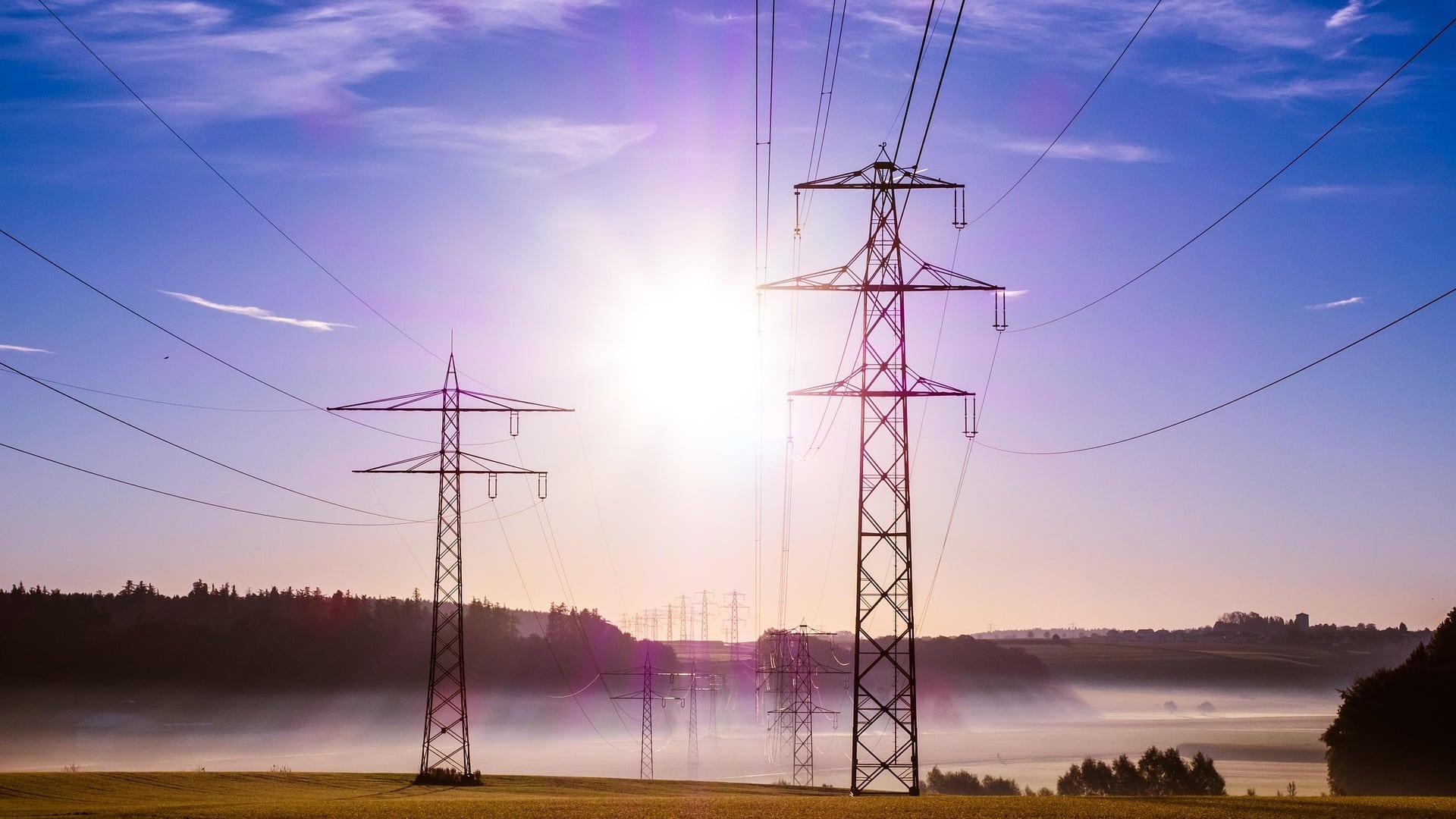
Image by Michael Schwarzenberger from Pixabay



Be the first to comment